
- Health Benefits of dry Fruits
- What Are Dry Fruits? Understanding Nature's Nutritional Powerhouses
- Health Benefits of Dry Fruits
- Top Dry Fruits and Their Unique Benefits
- More Nutritional Superstars in the Dry Fruit Family
- Incorporating Dry Fruits Into Your Daily Diet
- Optimal Consumption: How Much Is Too Much?
- Selecting and Storing Dry Fruits for Maximum Benefits
- Special Considerations: Allergies and Dietary Restrictions
- Conclusion: Making Dry Fruits Part of Your Healthy Lifestyle
You might know how good dry fruits are for you. They are full of important nutrients. This makes them a perfect choice for healthy snacking.
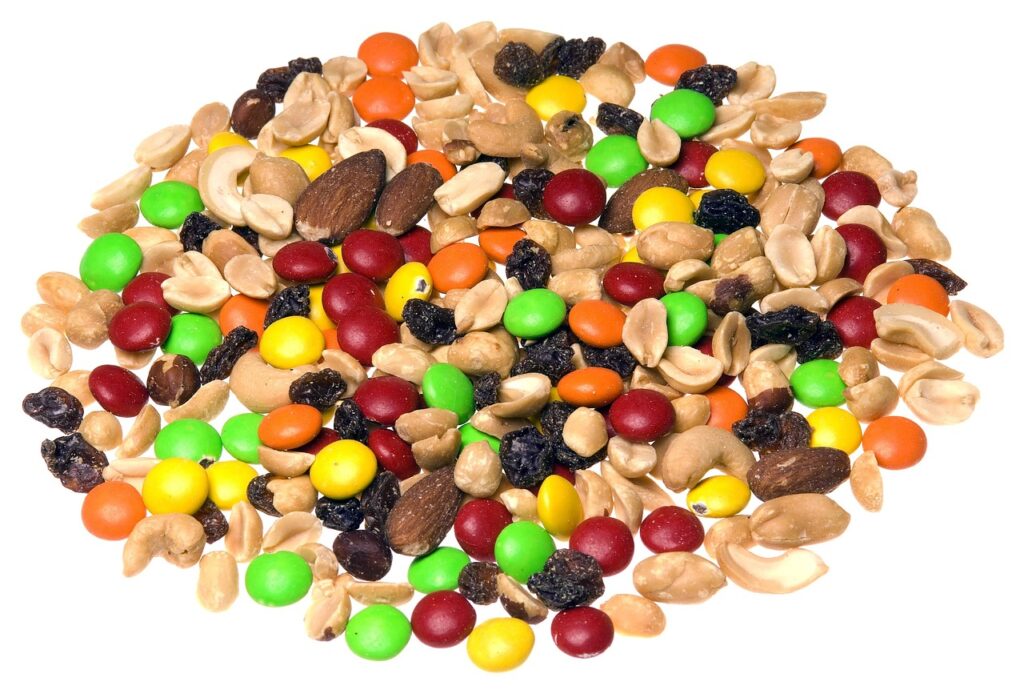
Health Benefits of dry Fruits
Dry fruits are loaded with vitamins, minerals, and antioxidants. These can really improve your health. Adding them to your meals or snacks can give you lots of benefits.
Find out how these foods can make your diet better. They can also give you the energy to get through your day.
What Are Dry Fruits? Understanding Nature’s Nutritional Powerhouses
Dry fruits are more than just a tasty snack; they’re a nutritional powerhous. They deserve a closer look. You might already know some common types, but there’s more to learn about their definition, classification, and nutritional value.
Definition and Classification of Dry Fruits
Dry fruits, also known as dried fruits, are fruits that have been dried to remove their water content. This process makes them rich in natural sugars and nutrients. They are a good source of fiber, vitamins, and minerals.
The classification of dry fruits is broad. It includes fruits like apricots,dates, prunes, raisins, and figs. These fruits are categorized based on their drying process. This can be done naturally through sun drying or through more advanced dehydration techniques.
Nutritional Profile and Caloric Value
The nutritional profile of dry fruits is impressive. They have high levels of antioxidants, dietary fiber, and essential minerals. For example, apricots are rich in vitamin A, while dates are known for their potassium content.
The caloric value of dry fruits varies. But they are generally energy-dense due to their natural sugars. For example, a small handful of dried apricots can range from 170 to 240 calories. Understanding the nutritional profile and caloric value of dry fruits can help you incorporate them into your diet in a healthy and balanced way.
By learning more about dry fruits, you can appreciate their value as a healthy addition to your meals and snacks. Whether you’re looking to boost your fiber intake or simply enjoy a nutritious snack, dry fruits are a great choice.
Health Benefits of Dry Fruits
Dry fruits are full of nutrients and antioxidants. They support heart health, regulate blood sugar, and aid in digestion. Adding them to your diet can be very beneficial.
Heart Health and Cholesterol Management
Almonds and walnuts are great for your heart. They have healthy fats that lower bad cholesterol. The fiber, potassium, and antioxidants in them also help your heart.Eating a small amount of dry fruits every day can help keep your heart healthy.
Blood Sugar Regulation and Diabetes Prevention
Dates and apricots are good for blood sugar control. They have a low glycemic index, which means they don’t raise blood sugar too much. The fiber in them also helps slow down sugar absorption.
Digestive Health and Fiber Benefits
Dry fruits are a great source of fiber. Fiber is key for a healthy digestive system. It prevents constipation and supports good gut bacteria.Prunes are especially good for digestion because of their high fiber and sorbitol content.
Antioxidant Properties and Disease Prevention
Dry fruits are full of antioxidants like vitamins and polyphenols. These protect the body from oxidative stress and inflammation. This can lower the risk of diseases like cancer, heart disease, and neurodegenerative disorders.
Eating different types of dry fruits can help you get the most benefits.
Top Dry Fruits and Their Unique Benefits
Some dry fruits are packed with nutrients and health benefits. Adding these foods to your diet can improve your health.

dry fruits benefits
Almonds: Brain and Skin Health
Almonds are a favorite for their health perks, especially for the brain and skin. Enjoy them as a snack or add them to meals for extra nutrition.
Nutritional Composition of Almonds
Almonds are full of healthy fats, protein, and fiber. They also have lots of vitamin E, magnesium, and potassium.
Research-Backed Benefits
Research shows almonds boost brain function and skin health. Their antioxidants are key to these benefits. Eating almonds regularly can help.
Walnuts: Omega-3 Powerhouse
Walnuts are known for their omega-3 fatty acids. These fats are good for the heart and brain.
- Rich in antioxidants
- Supports heart health
- May improve cognitive function
Dates: Natural Energy Boosters
Dates are a natural energy source, full of sugars and fiber. They’re great as a snack or to sweeten dishes.
Dates also have potassium, copper, and manganese. They’re a nutritious choice for your diet.
Cashews: Mineral-Rich Mood Enhancers
Cashews are tasty and packed with minerals like magnesium and copper. These minerals help with mood and health.
Enjoy cashews as a snack or in cooking and baking. They add flavor and nutrition.
Raisins: Iron-Rich Immunity Supporters
Raisins are sweet and nutritious, rich in iron, potassium, and fiber. They support the immune system and overall health.
Add raisins to oatmeal, yogurt, or salads for a nutritional boost.
More Nutritional Superstars in the Dry Fruit Family
There are many more nutritional superstars beyond the well-known dry fruits. These lesser-known fruits are full of nutrients. They offer health benefits that can improve your overall well-being.

dry fruits benefits
Pistachios: Weight Management Allies
Pistachios are tasty and great for weight management. They are full of healthy fats and fiber. This helps you feel full and eat less.
Studies show pistachios can help with weight loss and keeping weight off.
Dried Apricots: Vision and Skin Health
Dried apricots are packed with vitamin A. Vitamin A is key for good vision and healthy skin. They also have antioxidants that protect cells, boosting overall health.
Prunes: Bone Health and Digestion
Prunes, or dried plums, are good for your digestion. They also have boron, a mineral that’s good for bones. This might help lower the risk of osteoporosis.
figs: calcium-rich delights
Figs are a calcium powerhouse, important for strong bones. They also have fiber, which helps with digestion and blood sugar control.
Brazil Nuts: Selenium Powerhouses
Brazil nuts are loaded with selenium, a mineral vital for the immune system and antioxidants. Eating just one or two Brazil nuts a day can meet your daily selenium needs.
Adding these dry fruits to your diet can bring many health benefits. They help with weight, digestion, bone health, and antioxidants. With their unique nutritional profiles, these dry fruits are true nutritional superstars.
Incorporating Dry Fruits Into Your Daily Diet
Adding dry fruits to your daily meals is simple. They can be mixed into various dishes, boosting both nutrition and taste.
Morning Routines with Dry Fruits
Starting your day with dry fruits is great. They add fiber and antioxidants to your breakfast.
Breakfast Recipes and Ideas
Chopped dry fruits like cranberries or raisins are perfect for oatmeal or yogurt. Blend them into smoothies for extra nutrition.
Smoothie Additions
Dates and apricots in smoothies add sweetness and creaminess. Try different mixes to find your favorite.
Healthy Snacking Options
Dry fruits are great snacks alone or with nuts and seeds. They make a tasty and healthy trail mix.

dry fruits recipes
Cooking and Baking with Dry Fruits
Dry fruits are versatile in cooking and baking. They enhance flavor, texture, and nutrition in your dishes.
Sweet Dishes
Use raisins and dates in cakes, cookies, and muffins. They’re also perfect for healthy desserts like energy balls.
Savory Applications
Dry fruits add flavor and texture to stews and curries. Try dried apricots in Moroccan tagines or cranberries in savory salads.
| Dry Fruit | Best Used In | Nutritional Benefit |
| Almonds | Baking, Snacking | Rich in Vitamin E |
| Dried Apricots | Savory Dishes, Snacking | High in Fiber |
| Raisins | Baking, Breakfast | Good Source of Iron |
Adding dry fruits to your diet offers many health benefits. They can improve digestion and boost energy. Try different fruits and recipes to find your favorites.
Optimal Consumption: How Much Is Too Much?
Figuring out how much dry fruit to eat can be tricky. But it’s key to get the most health benefits. While they’re packed with nutrients, eating too much can mean too many calories and sugars.
Recommended Daily Intake Guidelines
To eat dry fruits right, follow these tips. The right amount depends on your age, how active you are, and your health.
Portion Sizes for Different Dry Fruits
A serving of dry fruits is small, about 1/4 cup or a handful. For example, almonds are about 23 nuts per serving. Dates are 2-3 per serving.
| Dry Fruit | Serving Size | Calories |
| Almonds | 23 nuts | 161 |
| Dates | 2-3 dates | 130-195 |
| Walnuts | 7 halves | 185 |
Caloric Considerations
Dry fruits are full of calories, so it’s easy to eat a lot. A small handful of nuts can have 150 to 200 calories. It’s important to watch your portions to keep your diet balanced.

dry fruits consumption guidelines
Potential Side Effects of Overconsumption
Eating too much dry fruit can cause problems. These include too much sugar, digestive issues, and an imbalance of calories.
Sugar Content Concerns
Dates and apricots have a lot of natural sugars. Eating too much can raise your blood sugar too high. This is a big worry for people with diabetes.
Digestive Issues and Other Risks
Eating too much dry fruit can also upset your stomach. It can cause bloating, gas, and diarrhea because of the fiber. Eating too much of some dry fruits can also mess up your nutrient balance.
Knowing these guidelines and risks helps you enjoy dry fruits in a healthy way.
Selecting and Storing Dry Fruits for Maximum Benefits
Choosing and storing dry fruits right is key to getting their full health benefits. Doing it correctly lets you enjoy their benefits for a longer time.
How to Choose Quality Dry Fruits
Choosing quality dry fruits means looking at their appearance, texture, and packaging. Pick dry fruits that are plump and have a rich color. Stay away from those that are too dry, discolored, or have mold.
Organic vs. Conventional Options
When picking dry fruits, you can choose between organic and conventional. Organic dry fruits are grown without harmful chemicals, which is good for those who want to avoid chemicals. But, they might cost more. Conventional dry fruits are cheaper and more common, but they could have pesticide residues.
Avoiding Added Sugars and Preservatives
Some dry fruits have added sugars or preservatives to taste better and last longer. To avoid these, read the ingredient list carefully. Opt for unsweetened and unsulphured options. You can also soak dried fruits in water or natural juice to rehydrate them without refined sugars.
Storage Tips to Preserve Nutritional Value
Storing dry fruits right is key to keeping their nutritional value and freshness. The storage method depends on the type of dry fruit and how soon you plan to eat it.
Pantry Storage Methods
For short-term storage, keep dry fruits in a cool, dry place like a pantry. Use airtight containers to keep them away from moisture and pests. This method works well for most dry fruits and keeps them fresh for months.
Refrigeration and Freezing Options
For longer storage, consider refrigerating or freezing your dry fruits. Refrigeration keeps them fresh for up to six months. Freezing can preserve them for a year or more. Store them in airtight containers or freezer bags to prevent freezer burn and keep quality.
Special Considerations: Allergies and Dietary Restrictions
When you enjoy dry fruits, knowing about allergies and dietary restrictions is key. Dry fruits are good for you, but they can be risky for some.
Common Allergies Associated with Dry Fruits
Dry fruits can cause allergic reactions in some. The main allergies are to tree nuts and sulfites.
Tree Nut Allergies
Tree nut allergies are very common. Dry fruits like almonds, walnuts, and cashews are part of this group. If you’re allergic, stay away from these to avoid reactions.
Sulfite Sensitivities
Some dry fruits have sulfites to keep them fresh. Sulfites can upset people, causing mild to severe reactions.
Dry Fruits in Special Diets
Dry fruits fit into many special diets, adding nutrients when eaten right.
Vegan and Vegetarian Diets
Dry fruits are perfect for vegans and vegetarians. They’re full of fiber and antioxidants, fitting well into plant-based diets.
Keto, Paleo, and Low-Carb Approaches
Dry fruits work for keto, paleo, and low-carb diets, but watch your portions. Foods like dates and dried apricots have more carbs and should be limited.
Diabetes-Friendly Options
Dry fruits have natural sugars, but some can be okay for diabetics in small amounts. Opt for unsweetened and unsulphured options to control sugar.
Conclusion: Making Dry Fruits Part of Your Healthy Lifestyle
Dry fruits are packed with nutrients that can boost your health. Adding them to your diet can help with heart health, managing cholesterol, and improving digestion. They also offer antioxidant benefits.
Begin by adding different dry fruits to your meals and snacks. Almonds, walnuts, and dates are great for oatmeal, yogurt, or salads. Remember to choose high-quality options with less sugar.
Choosing dry fruits wisely can lead to a healthier lifestyle. Explore the world of dry fruits and enjoy their many benefits.